
Liquidity across the Asian, European and New York sessions
Link trading sessions to real cost, rather than simply memorising opening and closing times.
Three sessions, three cost structures
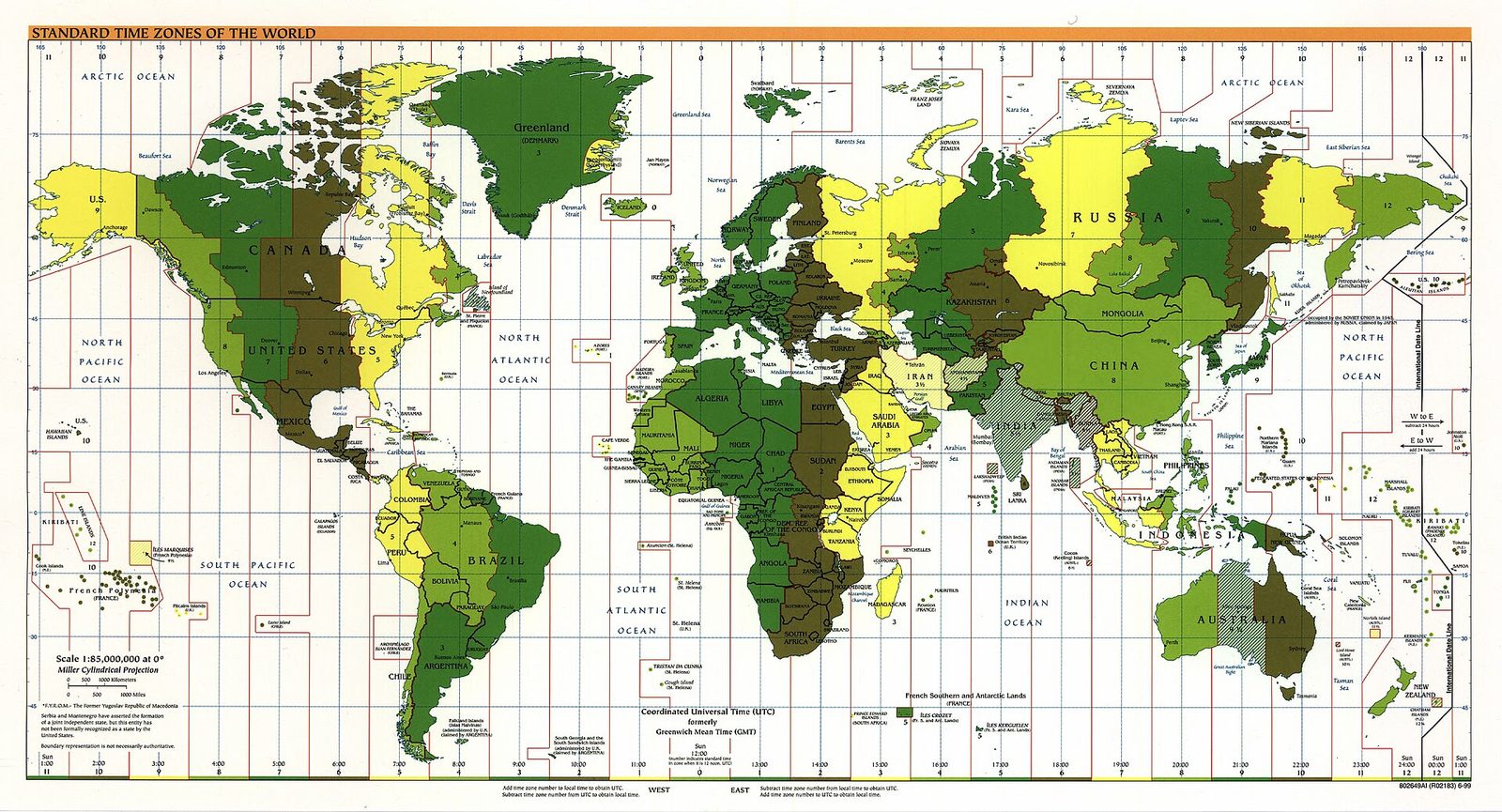
The forex market trades continuously for 24 hours, but liquidity is not uniform. Measured in Beijing time, the Asian session runs roughly 07:00 to 15:00, the European session 15:00 to 20:00, and the New York session 20:00 to 04:00 the following day. The London–New York overlap from 20:00 to midnight is the deepest liquidity window of the day.
Asian session: wider spreads, narrower ranges
Participants in the Asian session are concentrated in Tokyo, Hong Kong and Singapore, while European and US market makers are largely inactive. Spreads are typically wider and price is more likely to oscillate in a narrow band. The appropriate response is to trade less often, or to enter with limit orders rather than market orders.
The London–New York overlap: lowest cost, largest moves
During the overlap, quote depth is best and spreads are tightest. But two things must be separated: low cost does not mean low risk. Within the same window, an important data release can widen spreads instantly, and the price you get can be far from the quote you saw.
The real cost around data releases
US CPI, payrolls and PPI are usually published in the New York morning, which corresponds to roughly 20:30 to 21:30 Beijing time. Taking October as an example, CPI was released on 12 October and PPI and retail sales on 15 October. At the moment of release, spreads on the major pairs can widen to three to five times normal, and slippage on stop orders increases noticeably.
If your strategy includes event trading, use limit orders or stop-limit orders and build a larger slippage tolerance into the plan. Market orders carry the greatest price uncertainty in these windows.
Write the session into the plan
Fix three items in your plan: the sessions in which you are allowed to trade, the maximum position size for each, and a rule to pause for two hours either side of a data release. Once those three are written down, trading frequency falls naturally while the quality of each fill improves.